Introduction: Starting from Zero Is Not a Weakness
Many students think they cannot enter software development because they do not have programming experience. This fear is common among fresh graduates, non-IT learners, and working professionals who want to switch careers. But every developer once started from zero. The real difference is not background. The difference is learning path, practice, guidance, and consistency.
Full Stack JAVA is a good choice for beginners because it gives a structured foundation in programming, backend development, frontend basics, databases, APIs, and projects. With the right Placement Assistance Program on Full Stack JAVA, even a learner without coding experience can move step by step toward job readiness.
What Does Full Stack JAVA Mean for Beginners?
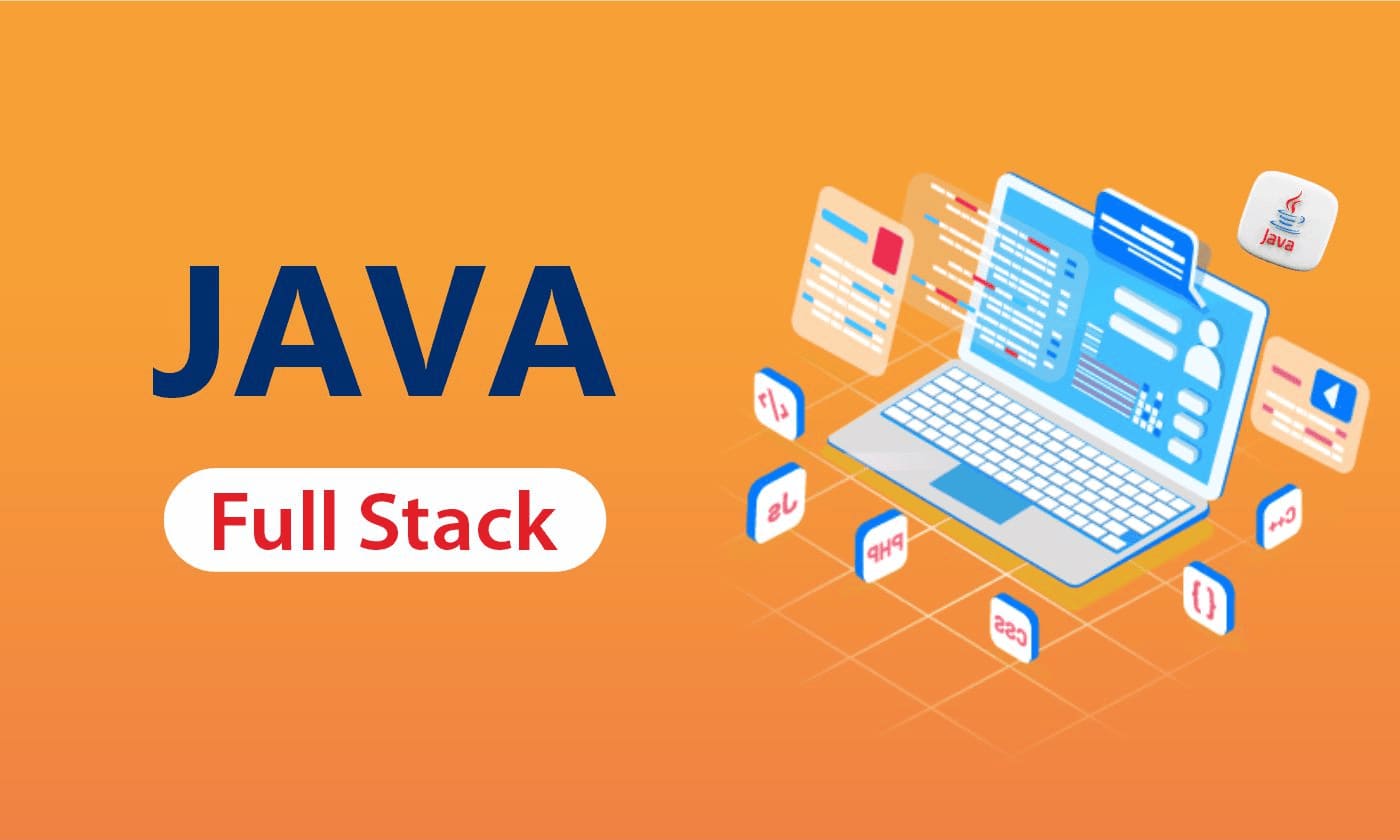
Full Stack JAVA means learning how to build a complete web application using Java as the main backend technology. A full stack java learner understands both frontend and backend development. The frontend is what users see on the screen. The backend manages logic, data, security, validation, and communication with the database.
For a beginner, this may sound big at first. But it becomes simple when learned in the correct order. You do not start with advanced frameworks on day one. You start with basic programming logic, Java syntax, variables, conditions, loops, methods, classes, and objects. After that, you slowly move toward database concepts, web pages, Spring Boot, REST APIs, and projects.
A good program on java should not rush beginners. It should build confidence topic by topic.
Why Full Stack JAVA Is Beginner-Friendly When Learned Properly
Java may look difficult in the beginning because it has structure. But that structure is actually useful for beginners. Java teaches disciplined coding habits. It helps learners understand object-oriented programming, clean logic, error handling, reusable code, and project organization.
When students learn java programming properly, they do not just memorize syntax. They learn how to think like developers. They understand how to break a problem into small parts, write logic, test output, fix mistakes, and improve code.
This makes Java a strong starting point for learners who want long-term software careers. Once Java fundamentals become clear, learning Spring Boot, backend development, and other technologies becomes easier.
Current Hiring Reality: Beginners Need Practical Skills
The IT hiring market has changed. Companies are not only checking degrees or course completion certificates. They want candidates who can show practical skills. Even for fresher roles, recruiters expect basic coding ability, project understanding, communication, and learning attitude.
AI tools have also changed expectations. Companies may use automation, but they still need developers who understand logic, debugging, requirements, and project flow. A beginner who learns only shortcuts may struggle. A beginner who builds strong fundamentals can grow faster.
This is why starting early matters. While some learners keep waiting for the “perfect time,” others are already practicing java coding, building projects, preparing resumes, and attending interviews.
Step 1: Build Basic Computer and Logic Confidence
Before starting Full Stack JAVA, beginners should first become comfortable with basic computer usage. You should know how to create folders, install software, use a browser, type properly, save files, and follow instructions. These small things reduce fear during technical learning.
Next, build logic confidence. Programming is not only about typing code. It is about thinking clearly. Start with simple questions. How do you find the largest number? How do you check even or odd? How do you repeat a task? How do you store multiple values?
You do not need to be perfect. You need to start practicing.
Step 2: Learn Core Java Slowly and Clearly
Core Java is the foundation. Beginners should learn variables, data types, operators, conditions, loops, arrays, strings, methods, classes, objects, constructors, inheritance, polymorphism, abstraction, interfaces, exception handling, and collections.
Do not try to finish everything quickly. Speed is not the goal. Understanding is the goal. After every topic, write small programs. For example, after learning loops, practice number patterns, tables, and simple calculations. After learning arrays, practice searching and sorting basics. After learning classes, create simple real-world models like student, employee, course, or product.
This kind of java coding practice builds confidence.
Step 3: Understand Databases and SQL
A real application needs data. That is why beginners should learn database basics after Core Java. Start with tables, rows, columns, primary keys, foreign keys, insert, update, delete, select, joins, and simple queries.
Many beginners ignore SQL, but recruiters often ask database questions. A Full Stack JAVA developer must know how to store and retrieve data. When you build a student management system or ecommerce project, the backend must communicate with the database.
SQL also helps you understand how real business applications manage users, orders, payments, reports, and records.
Step 4: Learn Frontend Basics Without Fear
Full Stack JAVA does not mean you must become a design expert. But you should understand frontend basics. Learn HTML for page structure, CSS for styling, and JavaScript basics for simple interactions.
Beginners should focus on practical screens such as login pages, registration forms, dashboards, product pages, and search forms. These screens help you understand how users interact with an application.
Later, when you connect frontend forms with backend APIs, you will understand the complete flow. This is where full stack learning becomes interesting.
Step 5: Move into Spring Boot and REST APIs
After Core Java, SQL, and web basics, learners can move into Spring Boot. Spring Boot is widely used for Java backend development. It helps developers create applications, manage layers, connect databases, and build REST APIs.
REST APIs allow frontend and backend to communicate. For example, when a user submits a login form, the frontend sends data to the backend API. The backend checks the database and sends a response.
Beginners should learn this step through projects. Theory alone will not help. Build small APIs for student records, products, employees, courses, or job applications.
Step 6: Build Projects That Recruiters Can Understand
Projects are very important for beginners without programming experience. They prove that you moved from learning to building. Start with simple projects and then improve them.
Good Full Stack JAVA project ideas include student management systems, online course registration, job portal, ecommerce product system, hospital appointment system, and employee management application. These projects help you explain frontend, backend, database, APIs, login, validation, and user flow.
Do not copy projects blindly. Recruiters can easily identify weak understanding. Build slowly, make mistakes, fix errors, and understand each module. A simple project explained clearly is better than a complex project you cannot defend.
What Recruiters Expect from Beginners
Recruiters do not expect freshers to know everything. But they expect honesty, basic coding ability, project clarity, and willingness to learn. They may ask simple Java programs, OOP concepts, SQL queries, project flow, and basic API understanding.
A beginner gets rejected when the resume shows skills but the answers are unclear. Another common mistake is saying “I learned Java” without being able to write basic code. Recruiters want proof through practice.
A job-ready beginner should be able to explain what they learned, what project they built, what problem they solved, and where they faced difficulty.
How Long Does It Take to Learn Full Stack JAVA?
The learning time depends on background, daily practice, trainer guidance, and consistency. A learner with no programming experience needs patience. The goal should not be to complete the course fast. The goal should be to become confident enough to attend interviews.
If you practice daily, revise regularly, ask doubts, and complete projects, progress becomes visible. Beginners should avoid comparing themselves with advanced learners. Compare your current level with your previous level. That keeps motivation strong.
Why a Java Online Course Can Help Beginners
A java online course is useful for learners who cannot attend classroom sessions. It gives flexibility and saves travel time. But the course must include live explanation, practice tasks, doubt support, assignments, projects, and interview preparation.
A Full stack developer course online should guide learners from basics to projects. Recorded content alone may not be enough for beginners because doubts come naturally. Live trainer support and mentor guidance make learning smoother.
Online learning works best when the learner follows a daily schedule. Without practice, online learning becomes passive.
Why NareshIT Is a Strong Choice for Beginners
Naresh i Technologies has 23+ years of software training experience and provides online and offline IT courses with experienced real-time trainers. For beginners without programming experience, NareshIT offers structured learning, practical guidance, digital laboratories, mentor support, dedicated placement batches, and job assistance.
The Placement Assistance Program on Full Stack JAVA at NareshIT helps learners start from fundamentals and gradually move toward real project development. Students learn Java programming, java coding, SQL, frontend basics, Spring Boot, APIs, project flow, resume preparation, and interview readiness.
NareshIT also provides mentor support to clarify technical doubts. This is important for beginners because early doubts can create fear. With proper guidance, students can overcome confusion and build confidence step by step.
For Hyderabad learners, classroom training gives direct interaction. For students from other cities, online training gives flexibility. Both options help learners follow a clear roadmap instead of depending on random tutorials.
Common Mistakes Beginners Should Avoid
Many beginners make the mistake of jumping directly into advanced topics. Some skip Core Java and start Spring Boot too early. Some watch many videos but do not practice. Some compare themselves with others and lose confidence.
Another mistake is ignoring errors. Errors are part of learning. When you solve errors, you become stronger. Beginners should also avoid collecting certificates without building projects. In interviews, project explanation matters more than certificate count.
The right approach is simple. Learn one topic, practice it, revise it, ask doubts, and connect it to a project.
FAQs
Can I learn Full Stack JAVA without programming experience?
Yes. You can learn Full Stack JAVA without programming experience if you start with basics, practice daily, and follow a structured learning path.
Is Java difficult for beginners?
Java may feel new in the beginning, but it becomes easier when learned step by step with examples, coding practice, and trainer guidance.
What should I learn first in Full Stack JAVA?
Start with Core Java, basic logic, OOP concepts, SQL, frontend basics, Spring Boot, REST APIs, and project development.
Is a java online course enough for beginners?
A java online course is useful when it includes live classes, assignments, projects, doubt support, and placement-focused preparation.
Why choose NareshIT for Full Stack JAVA?
NareshIT provides 23+ years of training experience, real-time trainers, online and offline classes, digital labs, mentor support, dedicated placement batches, and job assistance.
Does placement assistance guarantee a job?
Placement assistance supports resume building, interview preparation, job guidance, and confidence building. Final selection depends on skills, practice, communication, and interview performance.
Conclusion: Start Small, Practice Daily, Build Confidence
You do not need programming experience to start Full Stack JAVA. You need the right mindset, proper guidance, daily practice, and a clear roadmap. Every expert developer was once a beginner. What matters is how consistently you learn and how practically you apply your knowledge.
Full Stack JAVA gives beginners a strong path into software development because it covers programming, backend logic, frontend basics, databases, APIs, and projects. It also builds a foundation for future growth in microservices, cloud, DevOps, and AI-assisted development.
If you want to learn java programming from scratch with trainer guidance, mentor support, practical projects, and placement-focused preparation, NareshIT’s Placement Assistance Program on Full Stack JAVA can help you start with confidence. Start today, build step by step, and move toward your software career.
 +91 8179191999

 +91
8179191999
+91
8179191999

.jpg)