.png)
Introduction: Your Resume Gets Judged Before Your Java Skills Do
Many freshers spend months learning Core Java, Spring Boot, SQL, REST APIs, frontend basics, and java coding, yet their interview opportunities remain limited. The problem is often not a complete lack of skill. It is weak presentation of that skill.
Recruiters usually see the resume before they see the candidate. In many cases, they decide within a short review whether the profile looks relevant enough for the next stage. A cluttered resume, vague project descriptions, copied objectives, or unverified technology lists can reduce shortlisting chances. At the same time, a clean resume supported by genuine GitHub projects can give recruiters stronger evidence of practical ability.
For learners following a Placement Assistance Program on Full Stack JAVA, resume reviews and GitHub project guidance should therefore be treated as part of interview preparation, not as an afterthought.
Why Resume Shortlisting Is the First Real Interview Round
Freshers often think the interview begins with a phone call or coding test. In reality, the first evaluation starts when a recruiter opens the resume.
The recruiter wants quick answers. What role is this candidate targeting? Which Java skills are actually relevant? Has the learner built anything practical? Can the project claims be trusted? Is the profile easy to understand?
A resume that makes these answers clear has a better chance of moving forward. A resume filled with unrelated technologies, long paragraphs, grammar mistakes, or generic statements creates confusion.
This is why resume review matters. It helps remove noise and sharpen the connection between the candidate's skills, projects, and the role being targeted.
What a Strong Java Fresher Resume Should Show
A fresher resume should not try to look like a ten-year professional profile. It should honestly present education, technical skills, practical projects, coding exposure, certifications if relevant, and career focus.
For a full stack java role, useful skills may include Core Java, OOP, collections, exception handling, SQL, Spring Boot, REST APIs, frontend technologies, Git, testing basics, and deployment awareness.
The key is relevance. Mentioning twenty tools does not automatically make a resume stronger. Every technology listed creates the possibility of a follow-up question.
Why Resume Reviews Improve Shortlisting Quality
A good resume review checks more than spelling.
It examines whether the profile is aligned with the target role, whether skills are believable, whether project descriptions show actual contribution, whether keywords are used naturally, and whether important information is easy to find.
For example, “Built a Java project” is too vague. A stronger description explains the problem, major modules, technology stack, database, APIs, and personal contribution.
Resume review also helps identify dangerous claims. If a fresher lists microservices, cloud, containers, artificial intelligence, and multiple frontend frameworks without practical exposure, recruiters may doubt the entire profile.
Honest positioning builds trust. Exaggeration creates risk.
GitHub Projects Turn Resume Claims into Visible Proof
A resume tells recruiters what a candidate says they can do. A GitHub repository can show how that candidate structures code, names files, writes documentation, organizes commits, handles configuration, and completes a project.
A strong repository should include meaningful source code, a useful README, clear project purpose, setup instructions, technology stack, key features, and information about how the application works.
For freshers, GitHub is especially valuable because they may not yet have professional work experience. Practical repositories can provide evidence of learning and project ownership.
What Kind of GitHub Projects Help Java Freshers Stand Out?
The best projects are not always the largest. Recruiters prefer projects that candidates can explain confidently.
An ecommerce application can demonstrate products, users, cart logic, orders, REST APIs, database relationships, validation, and authentication.
A job portal can include candidate profiles, employer roles, job posting, search, applications, dashboards, and status tracking.
A hospital appointment system can show scheduling, doctor availability, patient records, role-based access, and database design.
A learning management system can include courses, enrollment, progress tracking, assessments, reports, and user roles.
Why the README File Matters More Than Many Freshers Realize
A repository without documentation forces the reviewer to guess what the project does.
A good README should explain the project purpose, users, features, technology stack, architecture or module flow, setup steps, and important screenshots when appropriate.
The README is not decoration. It is the entry point to the project.
For Java learners, it should answer simple questions: What problem does this application solve? Which technologies are used? How is the backend structured? How does the database connect? What are the main APIs? What did the developer personally build?
Recruiter Reality: What Actually Gets Attention
Recruiters usually look for signals of relevance, clarity, and proof.
A fresher profile becomes stronger when the resume matches the target role, projects use technologies connected to that role, and the candidate can explain implementation choices.
Recruiters may ask: Why did you choose Spring Boot? How does the frontend call the backend? How are exceptions handled? How did you design the database? What was the hardest bug? Which part did you build yourself? How would you improve the system?
These questions quickly reveal whether the candidate truly owns the project.
Course Learner vs Job-Ready Candidate
A course learner completes topics. A job-ready candidate can apply and explain them.
A course learner may write “Spring Boot” in the skills section. A job-ready candidate can show a project with controllers, services, repositories, validation, REST APIs, database integration, and error handling.
This is why resume reviews and GitHub projects work best together. The resume creates the first impression. The repository supports the claims. The interview tests whether the candidate truly understands the work.
Common Resume Mistakes That Reduce Java Interview Shortlisting
One common mistake is using the same resume for every role. A candidate applying for Java development should highlight Java-relevant skills and projects instead of unrelated tools.
Another mistake is writing long objectives that say very little. Recruiters need concise information.
Freshers also hurt their profiles by listing technologies they barely know, adding projects copied from tutorials, using vague project descriptions, ignoring grammar, or hiding important skills deep inside the document.
The best resume is focused, credible, and easy to understand.
Common GitHub Mistakes Freshers Should Avoid
Uploading only source files without documentation is a major mistake. Another is keeping repositories empty, unfinished, or full of generated boilerplate.
Candidates should also avoid exposing passwords, database credentials, secret keys, or sensitive configuration.
Copied code is another risk. Recruiters can ask one follow-up question and quickly discover whether the candidate understands the repository.
A smaller number of genuine repositories with clear documentation is more valuable than artificial activity.
How Resume Reviews Improve Interview Preparation
A strong review process prepares the candidate for questions, not just formatting.
If the resume says “Developed REST APIs,” the learner should be ready to explain endpoints, request methods, status codes, validation, exception handling, and database flow.
If the resume mentions “Implemented authentication,” the learner should explain how login works, how credentials are validated, and how access is controlled.
Every line should be defensible.
This makes resume review a technical exercise. It helps candidates identify weak claims before recruiters do.
How GitHub Projects Strengthen Mock Interviews
Mock interviews become more realistic when questions come directly from the candidate's own projects.
A trainer or mentor can ask about architecture, database choices, API design, errors, Git workflow, testing, and future improvements.
This reveals whether the learner can explain the project clearly without notes and handle follow-up questions under pressure.
Career Scope for Java Developers with Strong Project Portfolios
Freshers can target roles such as Java Developer Trainee, Junior Java Developer, Backend Developer Trainee, Application Developer, Software Developer, or Junior Full Stack Developer.
With experience, the path can grow toward Spring Boot development, API engineering, microservices, cloud-native systems, senior backend roles, technical leadership, and solution architecture.
Salary growth depends on skills, project depth, company type, location, communication, interview performance, and responsibility. A strong GitHub profile does not guarantee a higher salary, but practical proof can improve credibility when competing for interviews.
Why Resume and GitHub Skills Matter Even More in the AI Era
AI tools can help draft resumes, generate code, create documentation, and suggest project ideas. That makes it easier for many candidates to produce polished-looking profiles.
Candidates should use AI responsibly for support, not for creating claims they cannot defend. Every project should be reviewed, tested, understood, and personalized.
As automated tools become more common, authentic project ownership becomes more valuable. A candidate who can explain decisions, debugging steps, trade-offs, and improvements stands out more than someone with polished but shallow material.
Why NareshIT Helps Learners Build Stronger Resume and GitHub Profiles
Naresh i Technologies has 23+ years of software training experience and provides online and offline IT training with experienced real-time trainers. Learners receive structured learning, digital laboratories, mentor support, dedicated placement batches, and job assistance.
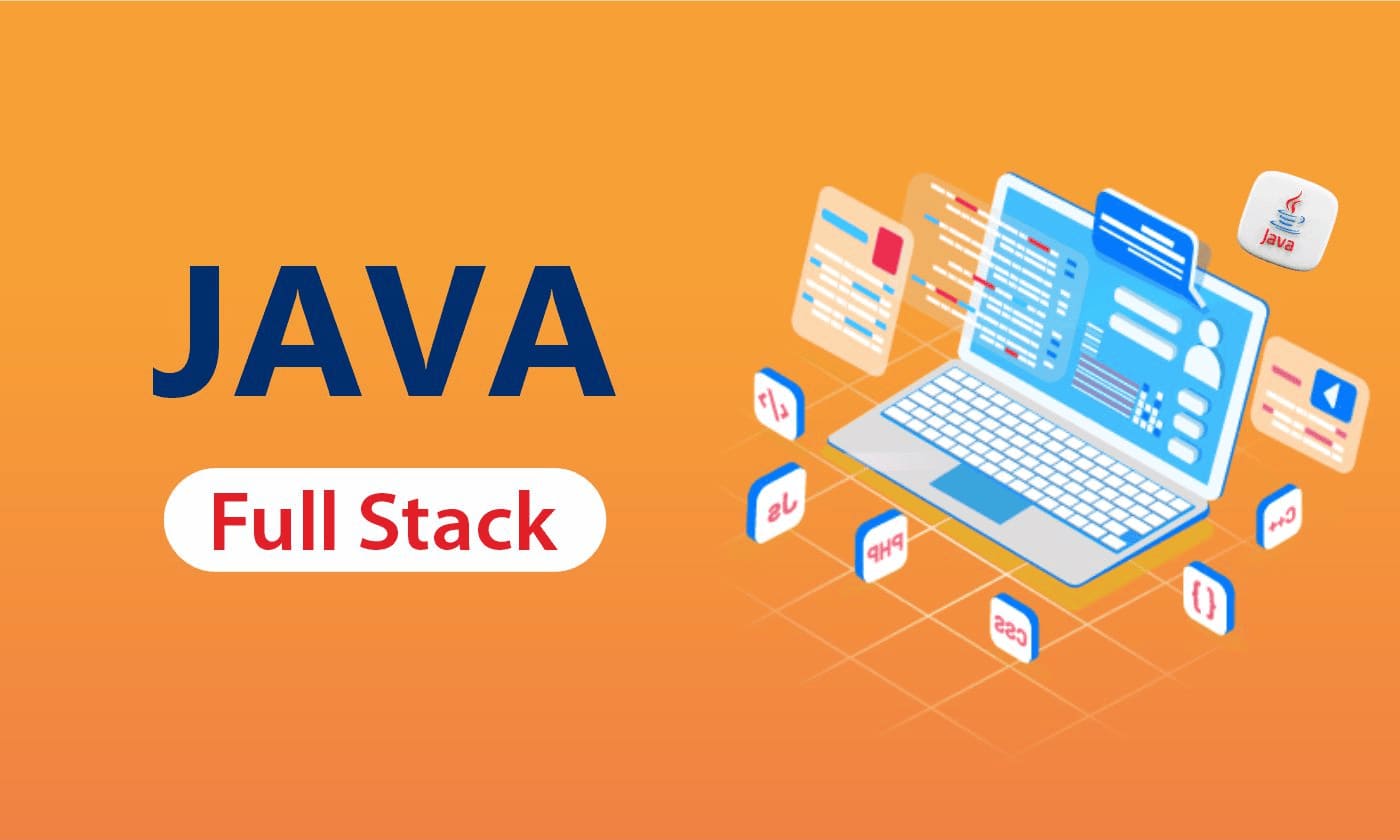
The Placement Assistance Program on Full Stack JAVA helps students strengthen Java programming, java coding, SQL, frontend basics, Spring Boot, REST APIs, database integration, practical projects, resume preparation, mock interviews, and placement readiness.
For Hyderabad learners, classroom training offers direct interaction. Learners from other cities can use a java online course or Full stack developer course online for flexible, guided preparation.
A Practical Resume and GitHub Improvement Checklist
Start by choosing a clear target role. Review every skill and remove anything you cannot explain.
Keep project descriptions specific. Mention the problem, main modules, technology stack, database, APIs, and your contribution.
On GitHub, keep repositories organized. Add a useful README. Remove exposed credentials. Use clear names. Make sure the project can be understood by someone seeing it for the first time.
Then practice explaining each project aloud. Prepare for follow-up questions about architecture, bugs, validation, database design, APIs, testing, and improvements.
FAQs
Do GitHub projects really help Java freshers get shortlisted?
They can strengthen credibility by giving recruiters visible proof of coding, project structure, documentation, and practical application.
How many GitHub projects should a Java fresher have?
There is no fixed number. Two or three genuine, well-documented projects that you can explain deeply are better than many copied repositories.
What should a Java project README include?
Include the project purpose, features, technology stack, setup steps, modules, API flow, database details, and screenshots where useful.
Can resume reviews improve ATS compatibility?
Yes. Resume reviews can improve structure, role relevance, keyword alignment, readability, and clarity while removing unnecessary content.
Does placement assistance guarantee a job?
No. Placement assistance supports resume building, interview preparation, guidance, and opportunity support. Final selection depends on skills, practice, communication, eligibility, and interview performance.
Why choose NareshIT for Full Stack Java placement preparation?
NareshIT offers experienced real-time trainers, structured learning, digital labs, mentor support, practical projects, resume guidance, mock interviews, dedicated placement batches, and job assistance.
Conclusion: A Strong Resume Opens the Door, but Real Projects Build Trust
Java interview shortlisting becomes stronger when a clear resume is supported by genuine project evidence. The resume should show relevance, GitHub should show proof, and the interview should show understanding.
Do not fill your profile with technologies you cannot defend. Build projects that solve real problems. Document them clearly. Review every resume claim. Practice project explanations. Learn from mock interview feedback.
NareshIT's Placement Assistance Program on Full Stack JAVA can help learners combine java coding, Spring Boot, SQL, REST APIs, frontend development, projects, resume reviews, mock interviews, and placement-focused preparation.
The goal is not to look job-ready for a few seconds. It is to build enough real skill and proof that recruiters have a clear reason to move your profile forward.
 +91 8179191999

 +91
8179191999
+91
8179191999

.jpg)