Introduction: AI Is Changing Jobs, Not Removing Serious Developers
AI has created fear among many students. Some think coding jobs will disappear. Some feel confused about choosing a career after graduation. The truth is more balanced. AI is changing how developers work, but companies still need people who understand logic, applications, databases, APIs, security, testing, and business requirements.
This is why the future scope of Full Stack JAVA developers remains strong. A developer who can learn java programming, build full stack java applications, use AI tools smartly, and explain projects confidently will have better opportunities than someone who only depends on certificates. A structured Placement Assistance Program on Full Stack JAVA can help learners prepare for this new hiring reality.
What Full Stack JAVA Means in the AI Era
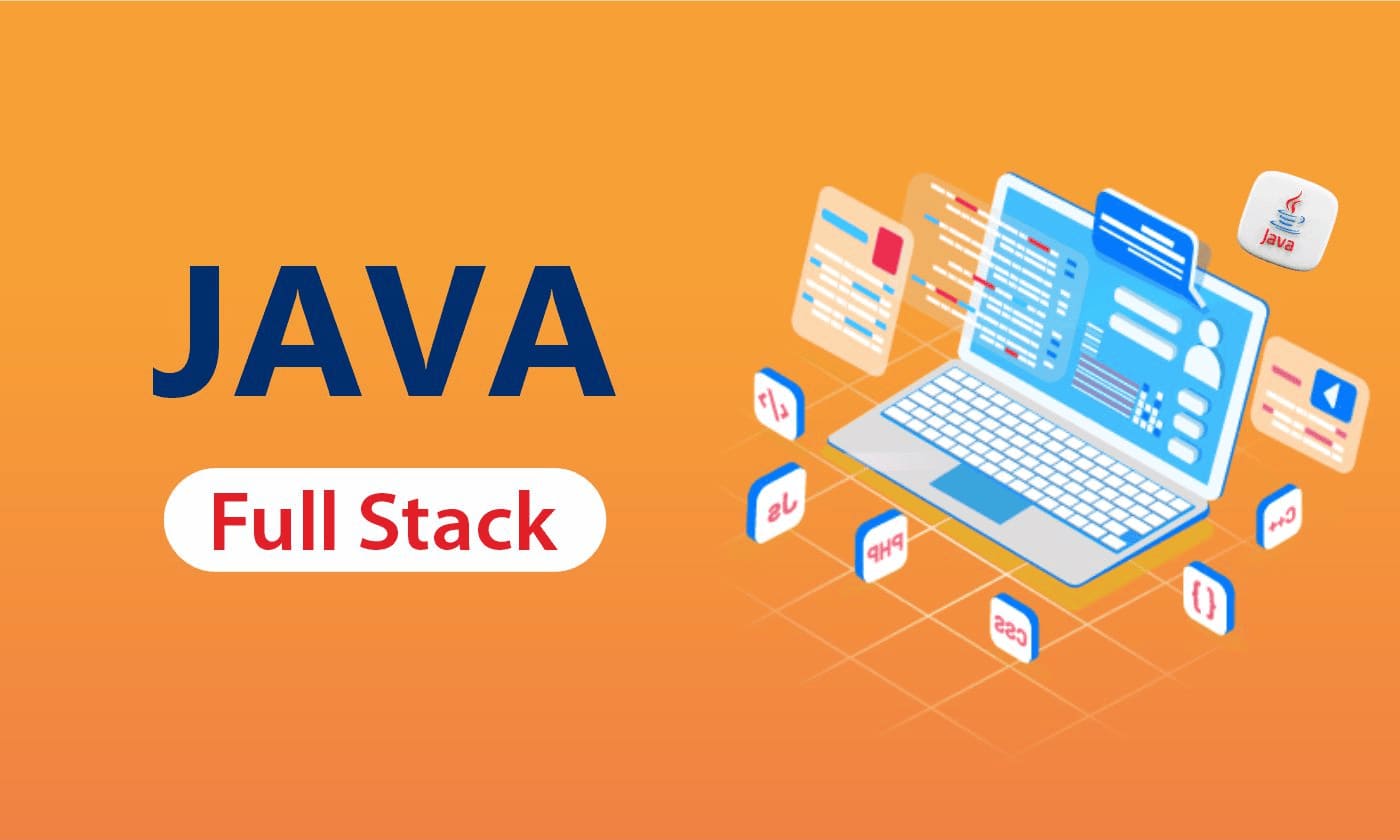
Full Stack JAVA means building complete web applications using Java as the main backend technology. It includes frontend basics, backend development, database integration, APIs, project flow, debugging, and deployment awareness. In the AI era, this role is expanding.
A Full Stack JAVA developer may not only build traditional applications. The developer may also integrate AI-powered features such as chat support, smart search, recommendation systems, automated reports, content generation, fraud alerts, or intelligent dashboards. Java can support these features through APIs, backend services, and enterprise integrations.
This makes Full Stack JAVA more valuable. It gives learners a strong base for software development while also opening the door to AI-enabled applications.
Why Java Will Continue to Matter
Java has been used by companies for many years because it is secure, stable, scalable, and suitable for enterprise systems. Banks, insurance companies, ecommerce platforms, healthcare systems, education platforms, logistics firms, and large service companies depend on Java-based applications.
These systems cannot be replaced overnight. Even when companies adopt AI, they still need backend platforms to manage users, transactions, data, reports, workflows, and security. Java is deeply connected with these systems.
AI may assist in writing code, but it cannot fully understand every company’s business rule, legacy system, database structure, customer flow, and compliance need without human direction. This is where skilled Java developers remain important.
How AI Is Changing Full Stack JAVA Development
AI is changing the daily work of developers. It can help generate code suggestions, identify errors, explain logic, write test cases, improve documentation, and speed up repetitive tasks. But AI also increases the responsibility of developers.
A developer must check whether AI-generated code is correct, secure, optimized, and suitable for the project. Blind copying is dangerous. Recruiters and companies now value candidates who can use AI tools as assistants while still understanding the actual code.
For Full Stack JAVA developers, AI can improve productivity. But strong fundamentals are still required. Java coding, OOP concepts, SQL, Spring Boot, REST APIs, frontend integration, debugging, and project understanding remain essential.
Hiring Trend: Companies Want AI-Ready Developers
The job market is becoming more skill-focused. Companies are not only asking whether a candidate knows Java. They are asking whether the candidate can build applications, solve problems, learn tools, and adapt to AI-driven workflows.
This creates a clear message for freshers. Basic knowledge is not enough. A learner must become job-ready. That means building projects, practicing coding, understanding application flow, preparing resumes, attending mock interviews, and learning how AI can support development.
A java online course can help, but only if it offers structure, practice, doubt support, project guidance, and placement preparation. Passive learning will not work in a competitive market.
Future Roles for Full Stack JAVA Developers
Full Stack JAVA can lead to multiple roles. Freshers can start as Java developer, backend developer trainee, junior full stack developer, software developer, or application developer. With experience, they can move into Spring Boot developer, microservices developer, cloud backend developer, API developer, or enterprise application developer.
In the AI era, new opportunities are also opening. Java developers may work on AI-integrated dashboards, intelligent workflow systems, AI-enabled customer support platforms, automated reporting tools, recommendation engines, and enterprise automation applications.
This does not mean every Java developer must become an AI engineer. But every modern developer should understand how AI features are added to applications. That awareness can improve career scope.
Skill Gap: Why Many Learners May Fall Behind
Many students still learn programming in a traditional way. They study definitions, syntax, and exam-based concepts. But companies expect practical development skills. This gap becomes bigger in the AI era.
Recruiters expect candidates to know Core Java, OOP, collections, exception handling, SQL, web basics, Spring Boot, REST APIs, Git, debugging, project flow, and basic deployment awareness. They also expect candidates to understand how to use AI tools without losing coding fundamentals.
Students who delay skill building may feel more pressure later. Others are already practicing Java coding, building projects, improving resumes, and preparing for AI-ready software roles. The earlier a learner starts, the easier it becomes to build confidence.
What Recruiters Will Test in the AI Era
Recruiters will not stop asking technical questions because AI exists. In fact, interviews may become more practical. Instead of asking only definitions, recruiters may ask candidates to explain project decisions, debug logic, improve existing code, or describe how they would integrate an AI feature.
For Full Stack JAVA candidates, recruiters may ask how data travels from frontend to backend, how APIs work, how Spring Boot handles layers, how database tables are connected, and how errors are managed. They may also ask how AI tools can help during development and what risks come with blindly trusting generated code.
Candidates get rejected when they cannot explain their own project. A job-ready candidate explains clearly, accepts what they know, and shows problem-solving ability.
Skills Full Stack JAVA Developers Should Build for the Future
The first skill is Core Java. Without fundamentals, advanced tools become confusing. Learners should practice variables, loops, arrays, strings, methods, classes, objects, inheritance, polymorphism, interfaces, exceptions, and collections.
The second skill is backend development with Spring Boot. This helps in building REST APIs, connecting databases, managing layers, and creating enterprise-ready services. The third skill is SQL and database handling. Every serious application needs data storage and retrieval.
The fourth skill is frontend understanding. HTML, CSS, JavaScript, and basic UI flow help developers understand the complete application. The fifth skill is Git and project collaboration. The sixth skill is AI-assisted development awareness. Developers should learn how to use AI tools for support while still reviewing every output carefully.
Projects That Show Future Readiness
Projects are powerful because they prove practical understanding. In the AI era, Full Stack JAVA learners should build projects that show both traditional development and smart features.
Good project ideas include a student management system with automated reports, an ecommerce application with product recommendations, a job portal with resume keyword matching, a hospital appointment system with smart scheduling, and a learning management system with chatbot support.
These projects help learners explain frontend screens, backend logic, database design, APIs, validations, role-based access, and AI feature integration. A simple project built with understanding is better than a copied project with no explanation.
Salary Scope and Career Growth
Full Stack JAVA offers strong career growth because it gives multiple role options. A fresher can begin with entry-level Java or full stack roles. With experience, the developer can grow into backend engineering, microservices, cloud development, technical leadership, or solution architecture.
Salary depends on skill quality, location, company type, project confidence, communication, and interview performance. Hyderabad, Bengaluru, Pune, Chennai, Noida, and Gurugram continue to offer opportunities for skilled Java and full stack candidates.
In the AI era, developers who combine Java skills with practical projects and AI awareness may stand out better than candidates who only know basic coding. The future belongs to learners who keep upgrading.
Why NareshIT Is a Strong Choice for Full Stack JAVA
Naresh i Technologies has 23+ years of software training experience and provides online and offline IT courses with experienced real-time trainers. For learners who want career-focused Full Stack JAVA training, NareshIT offers structured learning, digital laboratories, mentor support, dedicated placement batches, and job assistance.
The Placement Assistance Program on Full Stack JAVA at NareshIT helps students learn Java programming, java coding, frontend basics, backend development, Spring Boot, databases, REST APIs, projects, resume preparation, and interview readiness.
NareshIT also gives mentor support for technical doubts. This is important because many learners struggle while solving errors, connecting databases, understanding Spring Boot flow, or explaining project modules. With proper guidance, learners can move from confusion to confidence.
For Hyderabad learners, classroom training gives direct interaction and learning discipline. For learners from other cities, online training gives flexibility. A structured Full stack developer course online helps students avoid random tutorials and follow a clear career roadmap.
How Placement Assistance Helps in the AI Era
Placement assistance becomes more important when hiring becomes selective. Students need more than subject knowledge. They need resume clarity, mock interviews, HR preparation, technical revision, project explanation, and job application guidance.
A placement-focused approach helps learners understand what companies expect and where they need improvement. It also helps them present skills properly. Many students know concepts but fail to communicate during interviews. Regular mock interviews and mentor feedback can reduce that gap.
Who Should Learn Full Stack JAVA Now?
Full Stack JAVA is suitable for fresh graduates, engineering students, BCA, MCA, degree students, non-IT learners, and working professionals who want development roles. It is also useful for learners who want a strong backend foundation before moving into cloud, DevOps, microservices, or AI-integrated application development.
The best time to start is when the learner is serious about career growth. Waiting for the market to become easy is not a good plan. The market rewards prepared candidates.
FAQs
Will AI replace Full Stack JAVA developers?
AI may automate some repetitive tasks, but it will not replace skilled developers who understand logic, projects, debugging, security, and business requirements.
Is Full Stack JAVA useful in the AI era?
Yes. Full Stack JAVA is useful because AI features still need backend systems, APIs, databases, frontend integration, and secure application flow.
Can beginners learn Full Stack JAVA with AI awareness?
Yes. Beginners can start with Core Java and gradually learn full stack development, projects, and AI-assisted development practices.
Is a java online course enough for career growth?
A java online course helps when it includes live guidance, assignments, projects, doubt support, and placement-focused preparation.
Why choose NareshIT for Full Stack JAVA?
NareshIT offers 23+ years of training experience, real-time trainers, online and offline classes, digital labs, mentor support, dedicated placement batches, and job assistance.
Does placement assistance guarantee a job?
Placement assistance supports preparation and opportunity guidance. Final selection depends on skills, practice, project confidence, communication, and interview performance.
Conclusion: The Future Belongs to Skilled, AI-Ready Java Developers
The future scope of Full Stack JAVA developers in the AI era is strong for learners who build real skills. Java remains important because companies need secure, scalable, and reliable backend systems. Full stack skills make developers more useful because they understand complete application flow.
AI will change development, but it will not remove the need for human problem-solving. Developers who understand Java, Spring Boot, databases, APIs, frontend flow, projects, and AI-assisted tools can build stronger careers.
If you want to learn java programming with practical projects, mentor guidance, interview preparation, and placement-focused support, NareshIT’s Placement Assistance Program on Full Stack JAVA can help you start with the right roadmap. Start now, build future-ready skills, and prepare for full stack Java opportunities in the AI era.
 +91 8179191999

 +91
8179191999
+91
8179191999

.jpg)