.png)
Introduction: Why Beginners Feel Stuck
Many beginners start Full Stack JAVA with high hopes, but after a few weeks they feel confused. Java syntax looks new, errors feel scary, SQL seems separate, frontend looks different, and Spring Boot may feel advanced. This is normal. The problem is not the learner’s ability. The real problem is learning without a clear roadmap, practice plan, mentor support, and project connection.
Full Stack JAVA can become a strong career path when learned step by step. A structured Placement Assistance Program on Full Stack JAVA helps beginners move from confusion to clarity by combining Java programming, java coding practice, frontend basics, SQL, backend development, projects, and interview preparation.
What Full Stack JAVA Means for Beginners
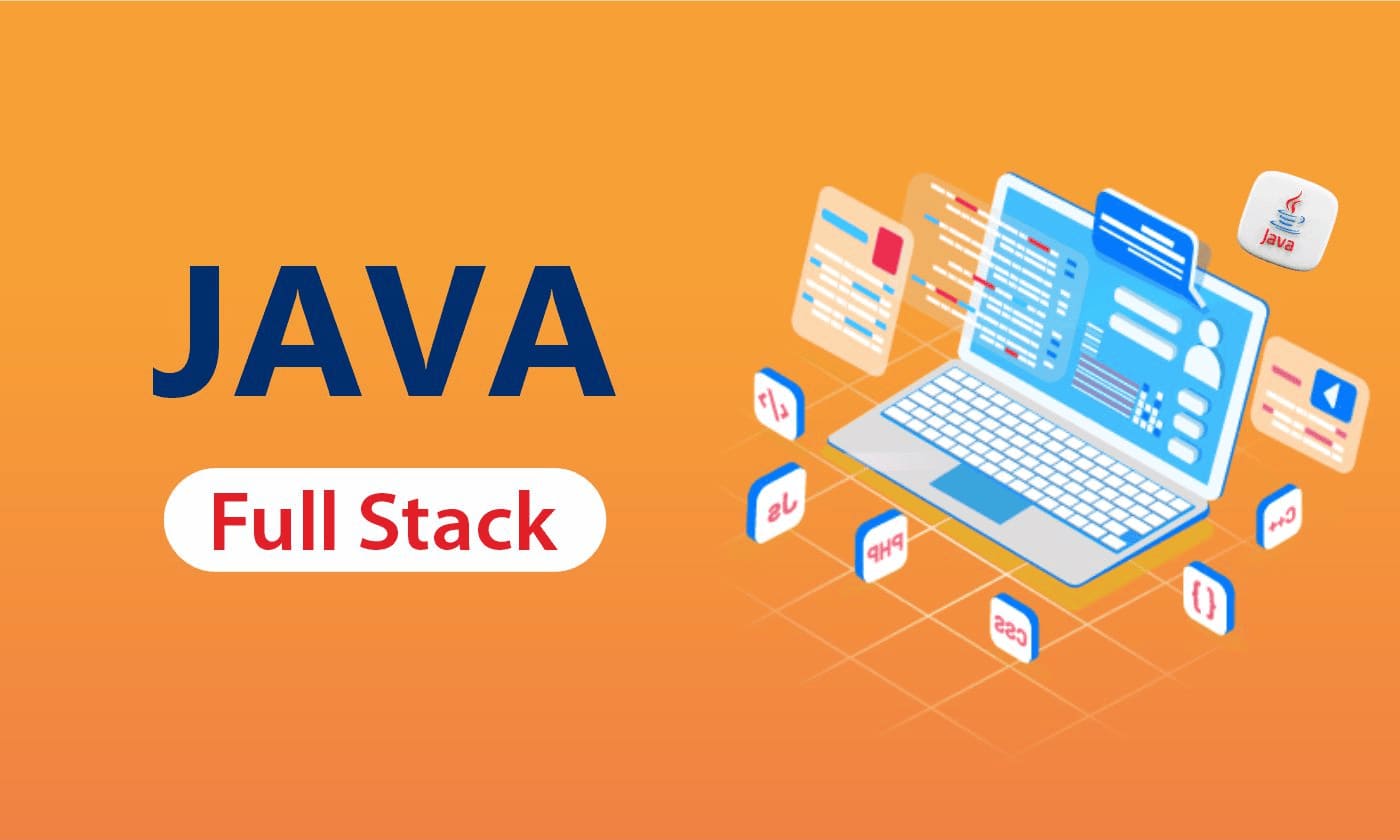
Full Stack JAVA means learning how to build a complete web application using Java as the main backend technology. A learner studies frontend screens, backend logic, database connection, APIs, project flow, debugging, and deployment awareness.
The frontend is what users see. The backend processes data and business rules. SQL stores information. APIs connect frontend and backend. Java and Spring Boot help build the server-side part of the application.
For beginners, this may look like too many topics. But when each part is taught in the right order, the journey becomes manageable. The goal is not to master everything in one day. The goal is to understand how each skill connects with real software development.
Challenge 1: Fear of Programming Basics
The first challenge is fear. Many beginners believe coding is only for highly intelligent students or people from computer science backgrounds. This mindset creates pressure before learning even starts.
Java may look difficult because it has structure, rules, classes, methods, and syntax. But these rules help learners build disciplined coding habits. Beginners should start with simple concepts such as variables, data types, conditions, loops, arrays, strings, and methods.
The best way to overcome this fear is daily practice. Write small programs. Make mistakes. Fix them. Repeat the same concept until it becomes familiar. Confidence comes from doing, not only reading.
Challenge 2: Learning Without a Proper Roadmap
Many students search for videos and start learning randomly. One day they watch Core Java. Next day they jump to Spring Boot. Then they try frontend. After some time, they feel lost.
Full Stack JAVA needs sequence. Beginners should first learn basic logic and Core Java. Then they should move to OOP concepts, collections, exception handling, SQL, frontend basics, Spring Boot, REST APIs, Git, and projects.
A proper program on java gives this order. It prevents learners from jumping into advanced topics too early. Without a roadmap, even hardworking students waste time. With a roadmap, every topic has a purpose.
Challenge 3: Not Practicing Java Coding Enough
Watching classes is not the same as learning coding. Many beginners understand the trainer during the session, but they do not practice after class. Later, when they try to write code alone, they feel blank.
Java coding improves only through repetition. Beginners should practice small problems on numbers, strings, arrays, loops, conditions, and object-oriented concepts. They should also rewrite programs without looking at notes.
Practice helps in interviews too. Recruiters often ask simple logic questions to check thinking ability. A learner who practices daily can answer with more confidence.
Challenge 4: Confusion with Object-Oriented Programming
Object-oriented programming is one of the most important parts of Java. Beginners often struggle with classes, objects, inheritance, polymorphism, abstraction, interfaces, and encapsulation. These topics may feel theoretical at first.
The solution is to connect them with real examples. A student can be an object. A course can be a class. A payment can have properties and methods. A trainer, admin, and student can show inheritance or role-based behavior.
When OOP is connected to projects, it becomes easier. Full stack java learners should not memorize definitions only. They should understand how these concepts organize real application code.
Challenge 5: Ignoring SQL and Database Skills
Some beginners focus only on Java and ignore SQL. This becomes a problem later because every real application works with data. User accounts, course details, product lists, orders, payments, attendance, and reports need databases.
SQL helps developers store, read, update, delete, filter, and manage data. A Full Stack JAVA developer must understand tables, keys, joins, constraints, and relationships.
Recruiters often test SQL because it shows whether the candidate understands real application flow. Beginners should learn SQL along with Java projects instead of treating it as a separate subject.
Challenge 6: Frontend Fear
Many Java learners feel frontend is not their area. They may think HTML, CSS, and JavaScript are only for designers. But full stack development needs basic frontend understanding.
A beginner does not need to become a design expert. They should know how forms, buttons, input fields, tables, menus, and pages work. These screens collect data from users and send it to the backend.
When learners build login pages, registration forms, dashboards, and search screens, they understand how users interact with applications. This makes backend development more meaningful.
Challenge 7: Spring Boot Feels Too Advanced
Spring Boot is powerful, but beginners may feel overwhelmed if they start it too early. Terms like controller, service, repository, dependency injection, annotations, and REST APIs can feel confusing.
The solution is preparation. Learners should understand Core Java, OOP, SQL, and web basics before entering Spring Boot. Once the foundation is clear, Spring Boot becomes easier.
Beginners should start with small APIs. Create, read, update, and delete student or employee records. Then connect these APIs with frontend screens and databases. Step-by-step practice removes fear.
Challenge 8: Errors and Debugging Pressure
Errors are part of programming, but beginners often panic when they see red lines or long error messages. They may think they are not suitable for coding. This is not true.
Every developer faces errors. The difference is that experienced developers know how to read, search, test, and fix them patiently. Beginners should learn to observe error messages, check line numbers, verify spelling, review logic, and test one change at a time.
Debugging builds real developer confidence. A learner who solves errors becomes stronger than a learner who only follows perfect examples.
Challenge 9: Weak Project Understanding
Many beginners copy projects without understanding the flow. This creates a serious problem during interviews. Recruiters ask how login works, where data is stored, how APIs are connected, and what role the learner played.
A project should be built slowly. Beginners can start with student management, employee management, course registration, job portal, ecommerce product system, or hospital appointment booking. These projects help learners connect Java, SQL, frontend, Spring Boot, and APIs.
A simple project explained clearly is better than a complex copied project. Recruiters value ownership.
Challenge 10: Poor Interview Preparation
Some learners wait until the course ends to prepare for interviews. This is a mistake. Interview preparation should start early. After each topic, learners should practice explaining it in simple words.
Recruiters check concept clarity, coding ability, SQL basics, project flow, communication, and confidence. They do not expect freshers to know everything, but they expect honesty and preparation.
Mock interviews help beginners identify weak areas. They also reduce fear. A job-ready candidate speaks clearly, explains projects, and accepts what they need to improve.
Challenge 11: Depending Only on Certificates
A certificate can show that a learner completed training, but it cannot replace skill. Companies want practical ability. They want to know whether the candidate can write code, solve errors, work with databases, and explain projects.
A certificate holder says, “I completed the course.” A job-ready candidate says, “I built this project, created these modules, solved these errors, and used Java and SQL in this way.” That difference matters.
Beginners should focus on skills first. Certificates become valuable when they are supported by projects and confidence.
Challenge 12: Lack of Consistency
Full Stack JAVA cannot be learned in one or two days. It needs regular practice. Many beginners start with energy but lose consistency when topics become difficult. Some take long gaps and forget previous concepts.
A simple daily schedule helps. Practice coding, revise notes, solve doubts, watch class recordings if available, and improve one project module every week. Small daily progress is better than sudden heavy study.
Consistency also builds discipline, which companies value in freshers.
Current Hiring Reality: Why These Challenges Must Be Solved Early
India’s IT hiring market is more selective now. Companies prefer learners with practical skills, AI awareness, communication, and project confidence. Routine coding alone is not enough. Freshers must show they can learn fast, build applications, and adapt to modern development workflows.
This creates urgency for beginners. If they delay practice, the gap increases. If they start early and follow a structured roadmap, they can build confidence before interviews.
A java online course or Full stack developer course online can help when it includes live guidance, assignments, projects, doubt support, and placement-focused preparation.
How NareshIT Helps Beginners Overcome These Challenges
Naresh i Technologies has 23+ years of software training experience and provides online and offline IT courses with experienced real-time trainers. For beginners learning Full Stack JAVA, NareshIT offers structured training, digital laboratories, mentor support, dedicated placement batches, and job assistance.
The Placement Assistance Program on Full Stack JAVA at NareshIT helps learners move step by step from fundamentals to project readiness. Students learn Java programming, java coding, SQL, frontend basics, Spring Boot, REST APIs, database integration, Git awareness, resume preparation, and interview readiness.
NareshIT’s mentor support is useful because beginners often get stuck in errors, database connection issues, project flow, or interview questions. Guidance at the right time prevents frustration.
For Hyderabad learners, classroom training gives direct interaction and discipline. For learners from other locations, online training provides flexibility with structured support.
FAQs
Is Full Stack JAVA difficult for beginners?
Full Stack JAVA may feel difficult at first, but it becomes manageable when learned step by step with practice, projects, and mentor guidance.
Can I learn Full Stack JAVA without coding experience?
Yes. Beginners can start with basic logic, Core Java, SQL, frontend basics, Spring Boot, and projects through a structured learning path.
What is the biggest challenge in learning Full Stack JAVA?
The biggest challenge is learning without practice. Watching classes is not enough. Daily coding, project work, and revision are required.
Is a java online course useful for beginners?
Yes. A java online course is useful when it includes live training, assignments, doubt support, projects, and placement-focused preparation.
Why do beginners struggle with Java coding?
Beginners struggle because they do not practice enough or they skip logic basics. Regular small programs improve confidence.
Why choose NareshIT for Full Stack JAVA?
NareshIT provides 23+ years of training experience, real-time trainers, online and offline classes, digital labs, mentor support, dedicated placement batches, and job assistance.
Conclusion: Challenges Are Normal, But Direction Matters
Every beginner faces challenges while learning Full Stack JAVA. Fear of coding, confusion with OOP, SQL doubts, frontend hesitation, Spring Boot pressure, project mistakes, and interview fear are common. These challenges do not mean a learner cannot become a developer. They only mean the learner needs the right roadmap and consistent practice.
Full Stack JAVA becomes easier when concepts are connected with real projects. Java builds logic, SQL manages data, frontend captures input, Spring Boot handles backend flow, and projects show practical ability.
If you want to learn java programming with structured guidance, mentor support, practical projects, and placement-focused preparation, NareshIT’s Placement Assistance Program on Full Stack JAVA can help you overcome beginner challenges and move toward job readiness with confidence.
 +91 8179191999

 +91
8179191999
+91
8179191999


.jpg)