In this blog following topics will be covered
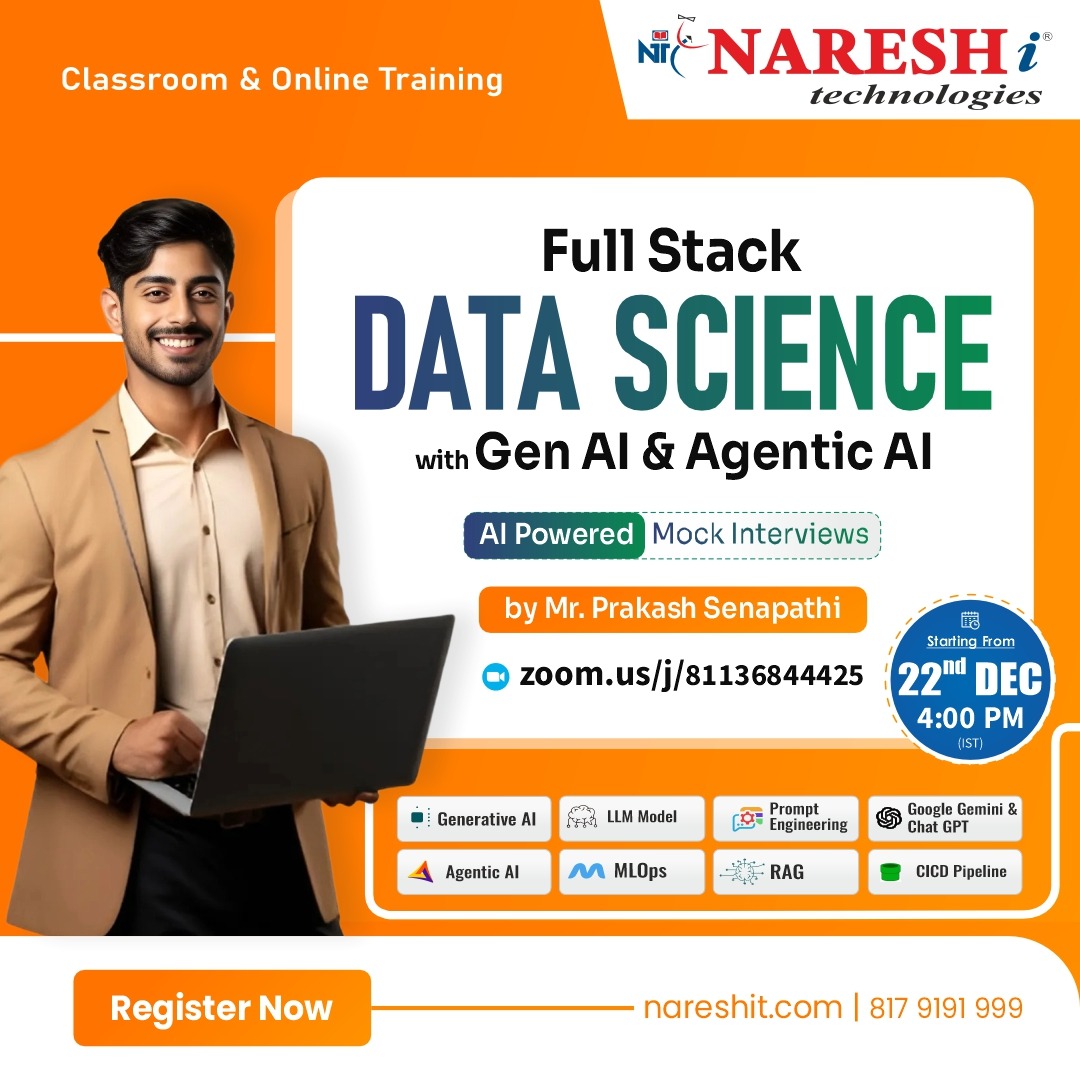
Looking for Data Science Live Training Join Naresh I Technology.
Why Data Science?

What is Data Science?
In order to find effective statistics for their organizations, data scientists must have mastered the entire spectrum of the Data science life cycle and have the flexibility and understanding to maximize revenue at each stage of the process.
Who is a data scientist?
Data scientists have several definitions. Simply put, a data scientist is someone who adheres to the art of data science. The most popular term for ‘data scientist’ is Created by Patil and Jeff Hamperpatcher.
Data scientists are people who twist complex data problems with strong expertise in certain fields of science. They work with a number of components, including mathematics, statistics, and computer science (although not experts in these fields).
Job Trends in Data Science
Data science is forecast to grow over the next decade. It is a shocking fact that 90% of the world's data was created in just 2 years.
How to solve a problem in Data Science
1. Discovery:
2. Data preparation:
3. Model planning:
4. Model Building:
We will use various techniques such as association, classification, and clustering to create the model.
5. Operationalize:
At this stage, we will provide the final reports, summaries, code, and technical documentation of the project.
This step gives you a brief overview of the full project performance and other factors prior to full deployment.
6. Communicate the results:
At this stage, we will check whether we are reaching the goal we set in the initial stage.
We will communicate the findings and final results with the business team.
Data Science Components
1- Statistics:
Statistics are an important component of data science.
It is a method of collecting and analyzing large quantities of numerical data to obtain useful and meaningful statistics.
2-Visualization:
Visualization is the representation of data in areas such as maps and maps so that people can easily understand it.
This makes it easier to access extensive data.
The main goal of data visualization is to help identify patterns, trends, and foreigners in large data sets.
3-Machine Learning:
Machine learning acts as the backbone of data science.
This means training a machine to function as the human brain.
Different methods are used to solve problems.
With the help of machine learning, it is easy to make predictions about unexpected/future data.
4- Domain expertise:
Domain expertise is the specific knowledge or skills of a particular area. There are different areas of data science, for which we need field experts.
You cannot open the entire feature of an algorithm without proper knowledge of where the data is coming from.
The more we know about the problem, the more difficult it will be to solve. Also, a high level of expertise in the area will greatly improve the accuracy of the model you want to create.
This is why data scientists are generally well aware of the various areas in which they work.
They may not be experts, but a good data scientist usually focuses on multiple skills.
5- Data Engineering:
Includes data engineering, data recovery, storage, retrieval, and transfer. The key to understanding data engineering is in the field of engineering.
Engineers design and create things. Data engineers design and create tubes that transform and carry data, making it very useful for data scientists and other end users.
These pipelines take data from different sources and store it in a single warehouse.
6- Programming Languages:
Python:
Python is a high-level programming language provided by a wide-ranging library. This is a very popular language because most data scientists like it.
It offers expandable and generated data analysis libraries.
The best features of Python are dynamic type, functional, object-oriented, automated memory management, and practice.
R:
R is a popular programming language among data scientists that can be used on Windows, Unix, and Mac operating systems.
The best feature of the R language is data visualization, which is tough on Python, but it is more startup-friendly than Python.
R language is used to perform social analysis using subsequent data. Twitter language is used for data visualization and semantic clustering, and Google uses it to evaluate ad performance and make financial predictions.
.jpg)
Data Scientist job role?
The role of the data scientist is really a challenge! Although the skill packages and capabilities used by data scientists may vary as a skilled data scientist.
Be very innovative and unique in his approach to extracting data, gaining useful insights into solving business problems and challenges, and using various technologies intelligently.
Ability to find and create rich data sources.
A handful of experience in data mining techniques such as graph analysis, method finding, result perspectives, clustering, or statistical analysis.
Develop working models, systems, and tools using experimental and functional methods and techniques.
Analyze data from different sources and perspectives and find hidden statistics.

In this blog following topics will be covered
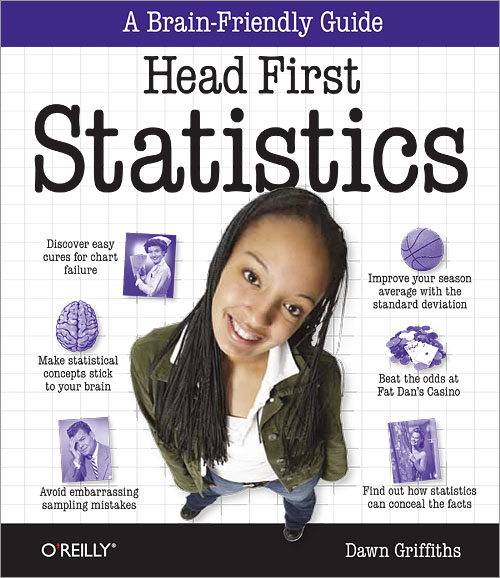
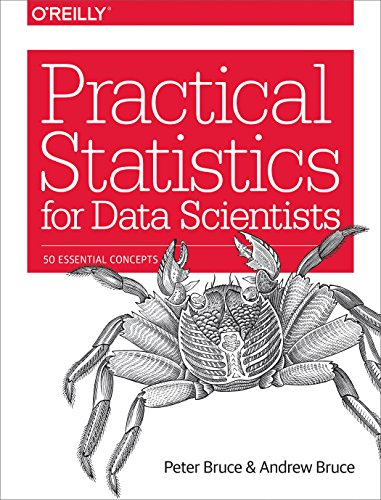
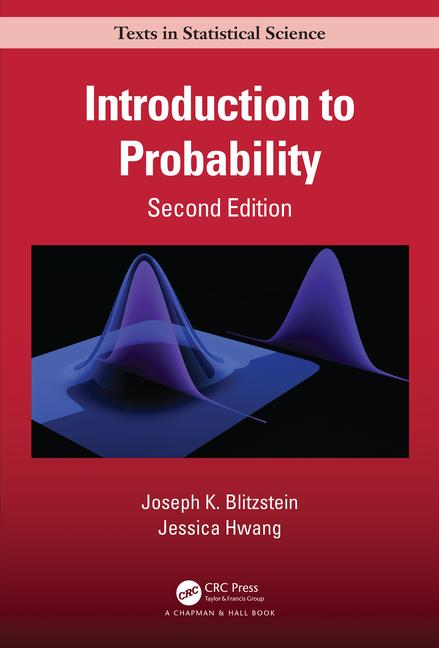
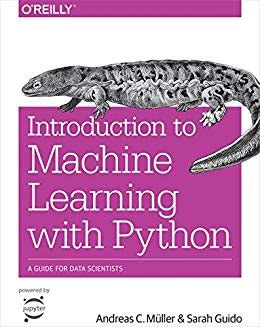
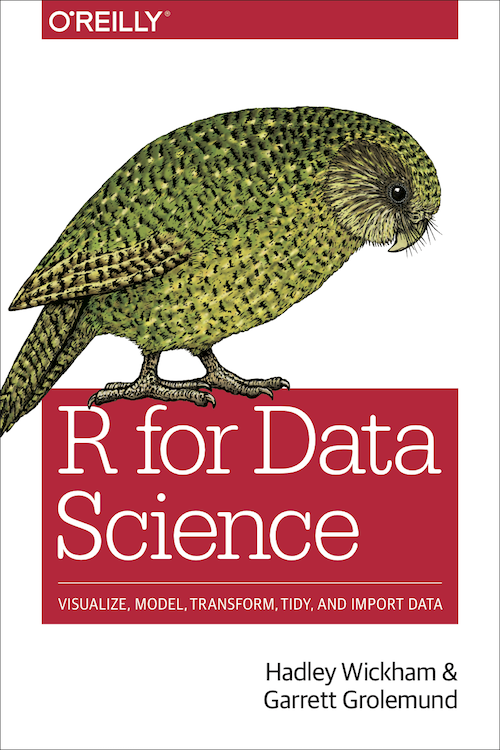
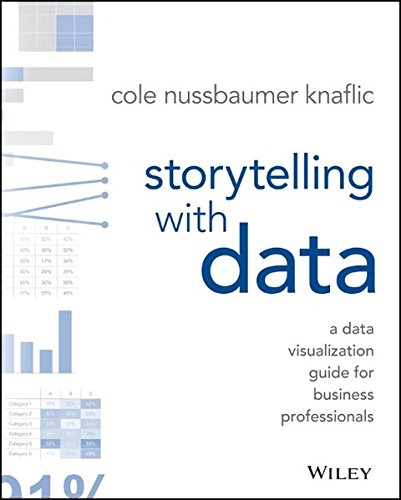
What are the Best Books for Data Science?
Looking for a Data Science Mock Interview Test Join Naresh I Technology.
Do you want to become a Data Science Expert join the Live Training Program on Naresh I Technology.

Looking for a Data Science Mock Interview Test Join Naresh I Technology.
You can give a guide to this book or for topics you may be missing while searching for online courses.
Do you want to become a Data Science Expert join the Live Training Program on Naresh I Technology .

Python For AI Course
Before jumping right into the advantages of the Python course and understanding how it is beneficial,
it is first vital to understand what this course is all about. One ofthe most influential programming
languages in the world, Python is the top choice forcutting-edge fields like machine learning, data
science, and artificial intelligence.
From building predictive models in machine learning to analysing vast data sets in data science, Python empowers one to handle some of the most exciting challenges.
This course comprehensively introduces one of the most incredible programming languages. It covers a wide variety of topics, from the very basics to more advanced concepts.
From manipulating lists and strings to working with dictionaries, tuples, and sets, each example offers multiple solutions to tackle common programming challenges.
Each demonstration and example comes with clear explanations and a variety ofstrategies to address the task, empowering you to deepen your grasp of Python’ssyntaxand concepts while refining your problem-solving abilities.
Python offers tools like Django, Flask, GUI that help create websites effortlessly. These tools allow adding features like user authentication, databases, and more. Python works well with HTML, CSS, and JavaScript weblanguages.
Python is a popular approach to machine learning and artificial intelligence (AI). It has libraries like TensorFlow and PyTorch, which help build intelligent systems. With Python, researchers and developers can make computers learn and understand likehumans.
Using Python, developers can make programs with buttons, menus, and windows. Libraries like PyQt and Tkinter help create these programs. They make it easy to design and use desktop apps on computers.
Python can collect information from websites automatically. Tools like Scrapy and Beautiful Soup help with this. They can gather data for things like prices, news, or weather without manually needing someone to doit.
Python is also used to create fun and interactive games. Libraries like Pygame and Godot help make games with cool graphics and sounds. People can use Python to design their own video games.
Python also helps make software for businesses. Programs like Odoo and ERP Next manage things like customer relationships and sales. They make running a business smoother and more organised.
Python can work with sounds and videos, too. Libraries like FFmpeg and Librosahelp in editing and analysing them. Python can also recognise faces in pictures orplay music.
Python offers many career opportunities across various fields. It covers webdevelopment and data science to machine learning and cloud engineering. Itsversatility and widespread adoption make it a valuable skill set sought after by industries worldwide, paving the way for diverse and rewarding career paths.
Python is an outstanding choice for a course because it’s widely used by some of the biggest companies in the world. These include giants like Google, Facebook, Netflix, Uber, and Spotify. Their dependency on Python programming for important tasks like managing data, creating machine learning models, building websites, and more talks loudly and clearly aboutits popularity and applications.
What makes it even more interesting is that these companies use Python and sharetheir tools and ideas with the world. For example, Facebook made PyTorch, Netflix made Metaflow, and Ubermade Ludwig. By learning Python ,you’re not just learning a language but joining a community of innovators and creators.
There is simply no questioning the fact that enrolling in the Python course will openup so many opportunities in the job market. Whether your dream is to work in a bigcompany like Google or start your own project, Python programming skills are sure to bridge the gap between your goals and your success. Python isn’t just for techcompanies; it’s used in finance, healthcare, education, and more, so you can explore many different career paths.
Learn a programming language but embark on a journey toward a brighter futurefilled with exciting opportunities. Imagine the endless prospects of developing websites like Google and Facebook, analysing data like Netflix and Spotify, or developing cutting-edge machine-learning models.
By joining the Python programming course by NareshIT, you will get a chance towork and connect with like-minded individuals who match your passion for technology and creativity inside the lab and also we provide practical lab support. Together, you’ll collaborate, learn, and grow, pushing the boundaries of what’s possible in the world of programming.
Enrol in our course for beginner Python programming and take the first step to wards discovering your full potential. Your journey to success starts here!
 +91 8179191999

 +91
8179191999
+91
8179191999