Introduction
In today’s fast-paced digital ecosystem, full-stack developers are among the most in-demand professionals. They are capable of building complete web applications—from user interfaces to server logic and databases. But one of the most common questions beginners and aspiring developers ask is: “What language do full-stack developers use?”
The answer isn’t limited to just one language. Full-stack developers use a combination of programming languages, frameworks, and tools depending on project requirements, industry trends, and scalability needs.
In this comprehensive guide, we will explore the most widely used languages in full-stack development, their roles, advantages, and how to choose the right stack for your career in 2026 and beyond.
What is a Full-Stack Developer?
A full-stack developer is a professional who works on both:
This means full-stack developers need to understand multiple technologies and languages to build end-to-end applications.
Core Languages Used by Full-Stack Developers
Let’s break down the most important programming languages based on their role in development.
1. HTML – The Foundation of Web Development
What is HTML?
HTML (HyperText Markup Language) is the standard language used to structure web pages.
Why It’s Important:
Use Case:
Every full-stack developer starts with HTML because it is essential for building web interfaces.
2. CSS – Styling the Web
What is CSS?
CSS (Cascading Style Sheets) is used to design and style web pages.
Key Features:
Why It Matters:
CSS helps create visually appealing and mobile-friendly websites, which is critical for user experience.
3. JavaScript – The Most Popular Full-Stack Language
What is JavaScript?
JavaScript is a programming language used for both front-end and back-end development.
Why JavaScript is Dominant:
Front-End Use:
Back-End Use:
Server-side development using Node.js
Popular Frameworks:
Why Developers Prefer It:
JavaScript allows developers to use a single language across the entire stack, making development faster and more efficient.
4. Python – Simple and Powerful
What is Python?
Python is a high-level programming language known for its simplicity and readability.
Back-End Use:
Advantages:
Best For:
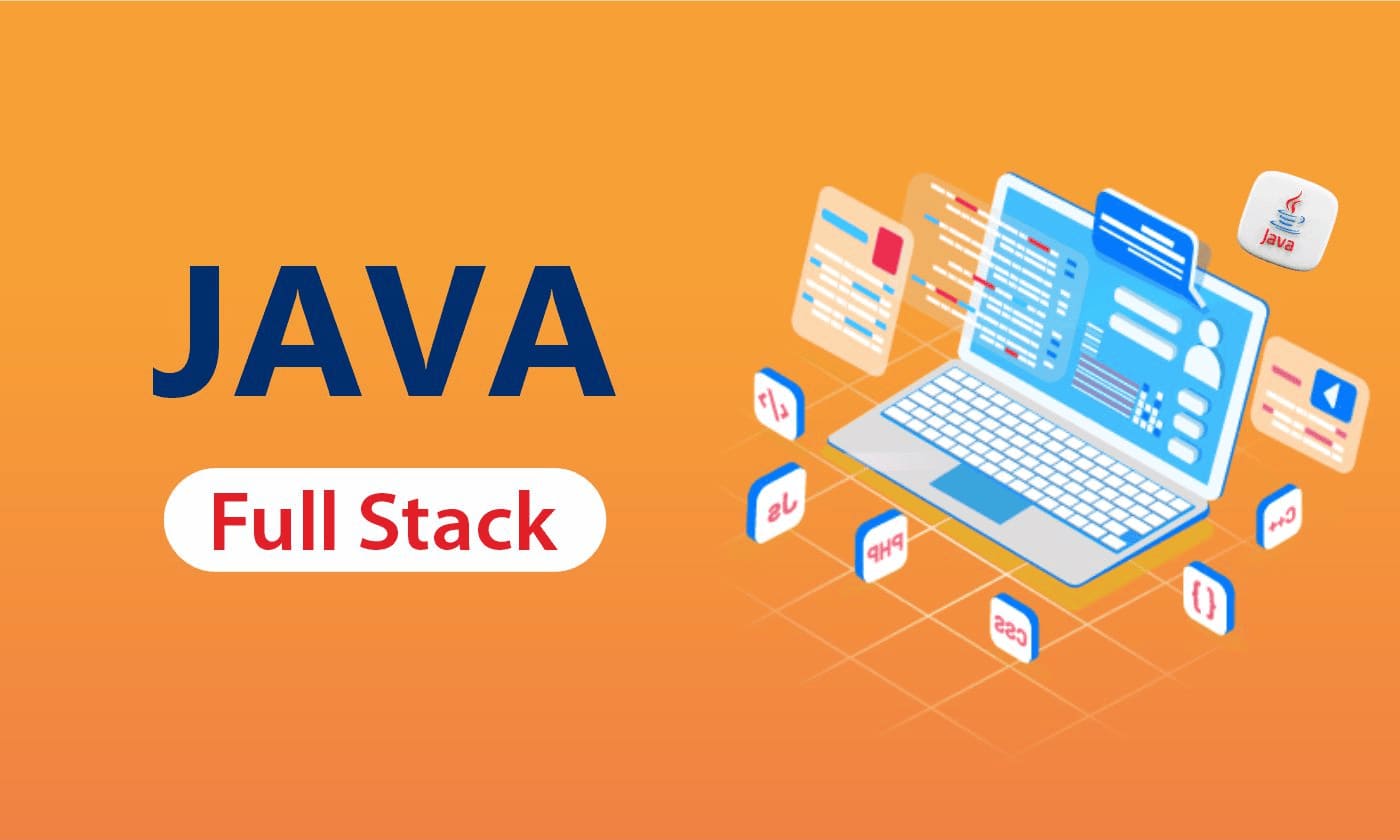
5. Java – Enterprise-Level Development
What is Java?
Java is a robust and scalable programming language widely used in enterprise applications.
Back-End Use:
Frameworks:
Why Choose Java?
6. PHP – Traditional Web Development Language
What is PHP?
PHP is a server-side scripting language used for web development.
Use Cases:
Advantages:
Reality in 2026:
While newer technologies are rising, PHP still powers many existing websites.
7. TypeScript – The Future of JavaScript
What is TypeScript?
TypeScript is a superset of JavaScript that adds static typing.
Why It’s Trending:
Use Case:
Used in modern frameworks like Angular and large-scale React applications.
8. SQL – Managing Data Efficiently
What is SQL?
SQL (Structured Query Language) is used to manage and query relational databases.
Databases:
Why It’s Important:
9. NoSQL Languages – Flexible Data Handling
What is NoSQL?
NoSQL databases store data in flexible formats.
Examples:
Advantages:
Popular Full-Stack Technology Combinations
Full-stack developers often work with specific combinations of languages known as “tech stacks.”
1. MERN Stack
Why It’s Popular:
2. MEAN Stack
3. LAMP Stack
4. Python Stack
How to Choose the Right Language?
Choosing the right language depends on your goals.
For Beginners:
For Enterprise Jobs:
For Data & AI:
For Freelancing:
Latest Trends in Full-Stack Languages (2026)
To stay competitive, it’s important to follow current trends:
1. Rise of TypeScript
More companies are adopting TypeScript for better scalability.
2. AI Integration
Languages like Python are widely used for AI-powered applications.
3. Serverless Development
Developers are using cloud-based backends instead of traditional servers.
4. API-First Development
REST and GraphQL APIs are becoming standard.
5. Microservices Architecture
Applications are built using multiple smaller services.
Skills Required Along with Languages
Learning languages alone is not enough.
Technical Skills:
Soft Skills:
Common Mistakes to Avoid
How Many Languages Should You Learn?
Ideal Approach:
Example:
Career Opportunities for Full-Stack Developers
Conclusion
So, what language do full-stack developers use?
The answer is not just one language, but a combination of multiple technologies. However, if you want a simple and effective path, JavaScript remains the most versatile and widely used language in full-stack development.
In 2026, the key to success is not just learning languages but:
Choose your stack wisely, stay consistent, and focus on practical learning to build a successful full-stack career.
FAQs
1. What is the main language used by full-stack developers?
JavaScript is the most commonly used language because it works on both frontend and backend.
2. Can I become a full-stack developer with one language?
Yes, especially with JavaScript, but learning additional tools is recommended.
3. Is Python used in full-stack development?
Yes, Python is widely used for backend development with frameworks like Django.
4. Do I need to learn Java for full-stack development?
Not necessarily, but it is useful for enterprise-level applications.
5. Which is better: JavaScript or Python?
Both are good. JavaScript is better for web apps, while Python is ideal for data-driven applications.
6. How many languages should I learn?
Focus on one primary language and 1–2 supporting technologies.
7. Is SQL mandatory?
Yes, SQL is important for managing relational databases.
8. What is the easiest language for beginners?
JavaScript and Python are considered beginner-friendly.
9. Is TypeScript necessary?
Not mandatory, but highly recommended for modern development.
10. What language should I learn first?
Start with JavaScript as it covers both frontend and backend.
 +91 8179191999

 +91
8179191999
+91
8179191999

.jpg)





.png)