How Many Months to Learn Python Full-Stack Developer?
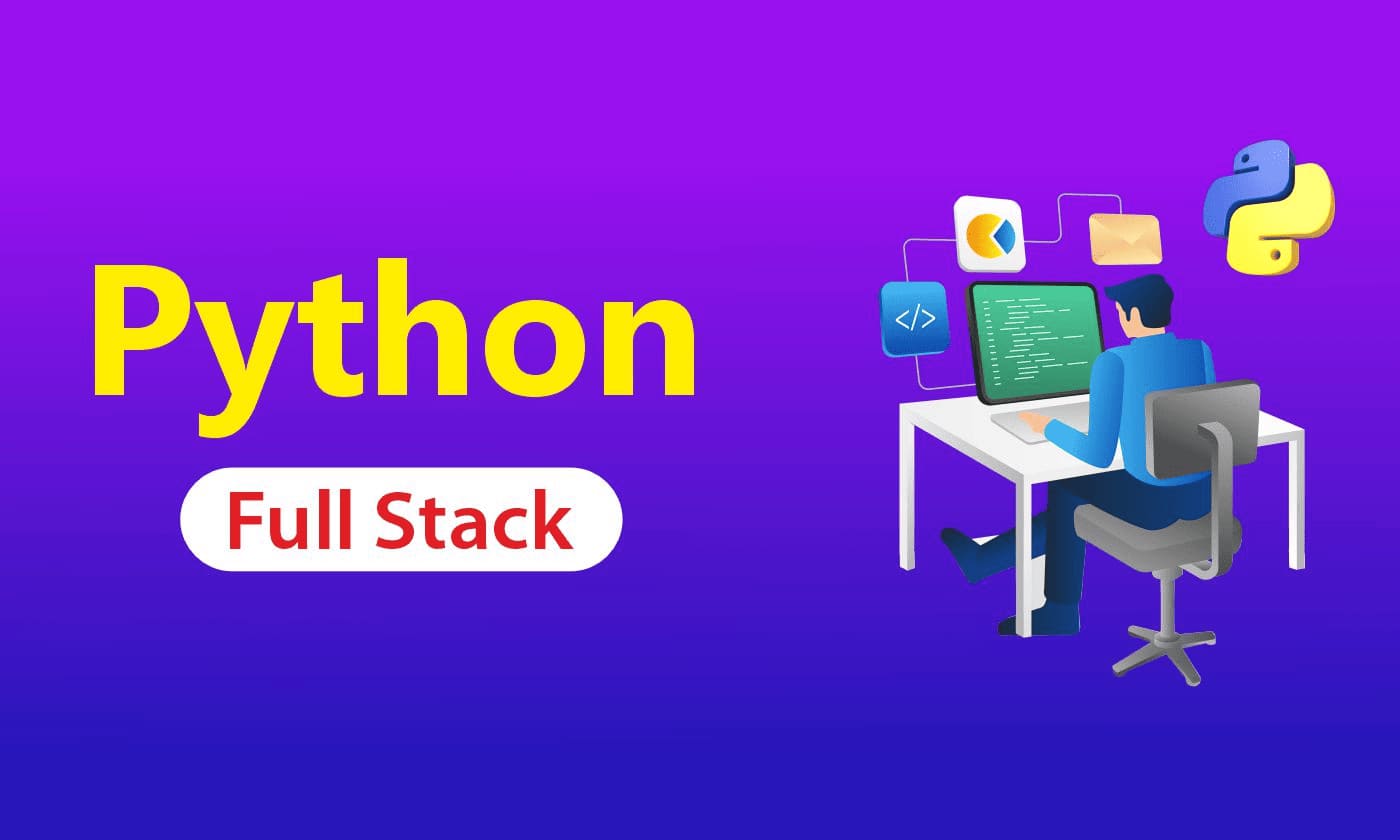
In today’s fast-growing tech industry, Python full-stack development has become one of the most in-demand career paths. Many beginners and career switchers often ask: “How many months does it take to learn Python full-stack development?”
The answer depends on several factors such as your learning consistency, prior knowledge, and the amount of time you dedicate daily. However, with the right roadmap and disciplined approach, you can become job-ready within a realistic timeframe.
This detailed guide will break down the learning timeline, skills required, step-by-step roadmap, and tips to speed up your journey to becoming a Python full-stack developer.
What is a Python Full-Stack Developer?
A Python full-stack developer is someone who can build both the front-end and back-end of web applications using Python technologies.
Key Areas:
In simple terms, a Python full-stack developer can build complete web applications from start to finish.
How Many Months Does It Take to Learn Python Full-Stack Development?
Short Answer:
Detailed Explanation:
The timeline varies depending on:
If you dedicate 1–2 hours daily, you can become job-ready within 6–12 months.
Month-by-Month Learning Plan
Here is a structured roadmap to help you plan your journey effectively.
Month 1–2: Learn Python Basics
Start with the fundamentals of Python programming.
Topics to cover:
Practice:
Month 2–3: Learn Front-End Development
To become a full-stack developer, you need to understand how websites look and behave.
Learn:
Projects:
Month 3–5: Master JavaScript
JavaScript plays a key role in front-end development.
Topics:
Projects:
Month 4–6: Learn Backend Development with Python
Now move to server-side development.
Frameworks:
Learn:
Month 5–6: Learn Database Management
Understanding databases is crucial.
Learn:
Practice:
Month 6–8: Build Full-Stack Projects
Combine frontend and backend skills.
Projects:
Month 8–10: Advanced Projects and Portfolio
Now focus on real-world applications.
Build:
Month 10–12: Job Preparation
Prepare for job opportunities.
Focus on:
Factors That Affect Learning Time
Your learning speed depends on several factors:
1. Daily Practice Time
More hours = faster learning.
2. Consistency
Regular practice is more important than long hours.
3. Learning Approach
Project-based learning speeds up progress.
4. Background Knowledge
Students with coding experience learn faster.
Fast-Track Plan (For Dedicated Learners)
If you can dedicate 4–6 hours daily, you can complete your learning faster:
3 months: Basics + frontend
3–6 months: Backend + projects
6 months: Job-ready
Skills Required to Become a Python Full-Stack Developer
Front-End Skills:
Back-End Skills:
Database Skills:
Additional Skills:
Importance of Projects in Learning Timeline
Projects play a major role in reducing your learning time.
Why projects matter:
Common Mistakes That Slow Down Learning
Avoid these mistakes to save time:
Tips to Learn Python Full-Stack Faster
Can Beginners Learn Python Full-Stack Easily?
Yes, Python is beginner-friendly.
Why Python is easy:
With consistent practice, beginners can learn it efficiently.
Career Opportunities After Learning Python Full-Stack
After completing your learning, you can apply for:
You can also work as a freelancer.
Salary Expectations in India
Your salary depends on your skills and experience.
Is 6 Months Enough to Learn Python Full-Stack?
Yes, but only if you:
However, for most beginners, 6–12 months is a realistic timeline.
Is Python Full-Stack a Good Career Choice?
Yes, it is one of the best career options today.
Reasons:
Final Thoughts
So, how many months does it take to learn Python full-stack development?
The answer is simple: it depends on your consistency and effort.
With a structured roadmap and daily practice, you can become job-ready within 6–12 months. Instead of focusing only on time, focus on building skills and real-world projects.
Remember, success in tech is not about how fast you learn—it’s about how well you apply what you learn.
Frequently Asked Questions (FAQs)
1. How many months does it take to learn Python full-stack?
It usually takes 6–12 months to become job-ready.
2. Can I learn Python full-stack in 3 months?
You can learn basics in 3 months, but job readiness takes more time.
3. Is Python full-stack easy for beginners?
Yes, Python is beginner-friendly and easy to learn.
4. How many hours should I study daily?
1–2 hours daily is enough for consistent progress.
5. Do I need a degree to become a full-stack developer?
No, skills and projects matter more than a degree.
6. What should I learn first?
Start with Python basics, then frontend and backend.
7. Can I get a job after 6 months?
Yes, if you have strong projects and skills.
8. Which framework is best for beginners?
Django is recommended for beginners.
9. What projects should I build?
Build real-world apps like blogs, e-commerce, and dashboards.
10. Is Python full-stack in demand?
Yes, it is highly in demand across industries.
 +91 8179191999

 +91
8179191999
+91
8179191999

.jpg)


.png)